
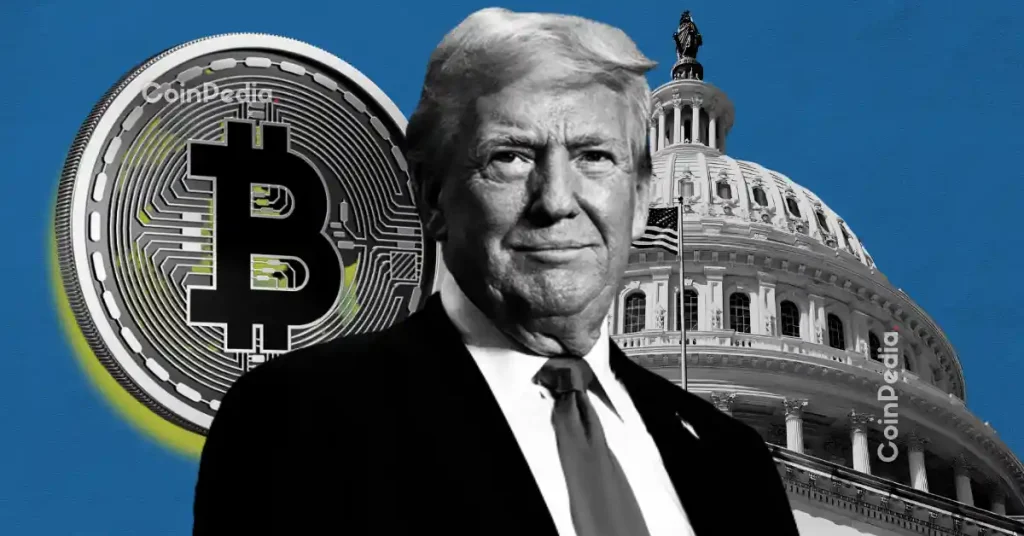
The post “Crypto Cases Were Dropped Under Trump’s Second Term”, NYT Investigation Says appeared first on Coinpedia Fintech News
A new report from The New York Times has stirred controversy by claiming that President Donald Trump and his family may have financially benefited from the settlement or rollback of several crypto cases during his second term. According to the report, a noticeable number of enforcement actions against crypto firms were either dropped or softened after Trump returned to the White House, raising concerns about conflicts of interest.
Sharp Shift in Crypto Enforcement
The NYT investigation found that more than 60% of crypto cases active at the start of Trump’s second term were later paused, reduced, or dismissed. This level of pullback stood out sharply when compared to enforcement trends in other industries, where only a small fraction of cases were dropped. During the same period, regulators continued to pursue non-crypto cases as usual, making the crypto sector an exception rather than the norm.
The report described this shift as unusual, noting that the Securities and Exchange Commission has historically avoided backing away from large clusters of cases within a single industry.
Links to Donations and Business Ties
According to the NYT, several of the eased or dismissed cases involved companies or individuals who later developed political or business connections with Trump or his family. The report alleges that some legal outcomes coincided with donations or ties to the Trump family’s expanding crypto-related ventures.
One example cited was a crypto company founded by the Winklevoss twins. The firm reportedly faced a federal lawsuit that stalled after the administration changed. Around the same time, the SEC also dropped its case against Binance entirely. Another high-profile shift involved Ripple Labs, where the SEC later sought to reduce a court-ordered penalty following Trump’s return to office.
.article-inside-link {
margin-left: 0 !important;
border: 1px solid #0052CC4D;
border-left: 0;
border-right: 0;
padding: 10px 0;
text-align: left;
}
.entry ul.article-inside-link li {
font-size: 14px;
line-height: 21px;
font-weight: 600;
list-style-type: none;
margin-bottom: 0;
display: inline-block;
}
.entry ul.article-inside-link li:last-child {
display: none;
}
Crypto Cases Treated Differently
The report claims that crypto cases were dismissed at a much higher rate than cases involving other industries. Of the 23 crypto cases inherited from the previous administration, the SEC reportedly pulled back from 14. Eight of those involved defendants who later formed financial or political links tied to Trump or his family. In contrast, only around 4% of non-crypto cases inherited during the same period were dismissed, highlighting what the NYT described as a clear imbalance.
Pushback on the NYT’s Framing
Not everyone agrees with the report’s conclusions. Crypto analyst Alex Thorn strongly criticized the NYT’s framing, arguing that it ignores the context of the prior administration’s crypto stance. He says the earlier crackdown on crypto was far from normal and had been openly criticized for years by bipartisan lawmakers and even federal courts.
Thorn points to past moments when Congress, including Democrats, moved to overturn aggressive SEC policies tied to crypto, showing that resistance to that approach was widespread. In his view, the recent easing of enforcement reflects a correction of an extreme regulatory phase rather than favoritism or personal gain.
Never Miss a Beat in the Crypto World!
Stay ahead with breaking news, expert analysis, and real-time updates on the latest trends in Bitcoin, altcoins, DeFi, NFTs, and more.
FAQs
The report claims possible links between eased cases and Trump-related ties, but no court has proven direct personal financial benefit so far.
Over 60% of inherited crypto cases were paused or dropped, which critics call unusual, while supporters say it corrected overly aggressive regulation.
Cases involving Binance, Ripple Labs, and a Winklevoss-backed firm saw pauses, dismissals, or reduced penalties after the administration change.